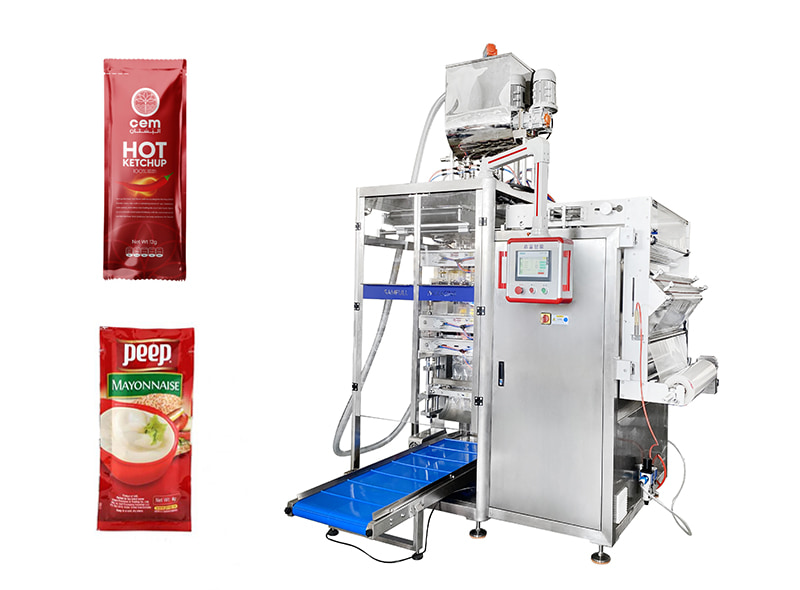
Sachet Packaging Machines: The Ultimate 2025 Sourcing Guide
Introduction: Navigating the Global Market for Sachet Packaging Machines
In today’s fast-paced B2B landscape, sachet packaging machines are revolutionizing how industries deliver compact, convenient products to consumers. From food and pharmaceuticals to cosmetics and beyond, these vertical form fill seal (VFFS) systems enable efficient packaging of powders, liquids, and granules into three- or four-side seal sachets. With global demand surging—driven by e-commerce growth and single-serve trends—businesses in the USA and Europe are increasingly adopting machines that offer 1 to 20 lanes and outputs from 40 to 1,000 sachets per minute. But selecting the right equipment amid a crowded market can be daunting.
The core challenge? Balancing productivity, compliance, and cost. Buyers often grapple with varying machine specs, such as maximum web widths up to 32 inches, cycle rates of 50 per minute, and customizable features like tear notches or seal patterns. Regulatory hurdles in the EU (e.g., CE marking) and USA (e.g., FDA standards for pharma) add complexity, while supply chain disruptions and technological advancements demand informed decisions to avoid downtime or suboptimal ROI.
This comprehensive guide equips procurement teams and operations managers with actionable insights to navigate these waters. We’ll cover:
- Key Machine Types: From single-lane models like the AP-140 (up to 4.5″ width, 7.5″ length) to high-output multiline baggers (e.g., 20-lane systems producing 1,000 sachets/min).
- Selection Criteria: Evaluating factors like modular designs, maintenance ease, and application-specific capabilities for food or pharma.
- Market Trends and Best Practices: Global sourcing tips, cost analysis, and integration strategies for USA and European operations.
Armed with this knowledge, you’ll streamline your packaging processes and gain a competitive edge. (248 words)
Top 10 Sachet Packaging Machines Manufacturers & Suppliers List
1. Top 10 Sachet Packing Machine Manufacturers in the world – Blog
Domain: sedmachinery.com
Registered: 2019 (6 years)
Introduction: 1. Hangzhou Shengde Machinery Co., Ltd. · 2. Uhlmann Pac-Systeme GmbH & Co. · 3. Bosch Packaging Technology · 4. Ishida Co., Ltd. · 5. MULTIVAC SEPP ……
2. Top 10 Packaging Machine Manufacturers in the USA – HonorPack
Domain: honorpack.com
Registered: 2009 (16 years)
Introduction: The top 10 packaging machine manufacturers in the USA are: HonorPack, Viking Masek, Accutek, Triangle, Packline, Paxiom, Matrix, Alliedflex, Masipack, and K- ……
3. Who Makes the Best Pouching Machines? Share Your Insights!
Domain: reddit.com
Registered: 2005 (20 years)
Introduction: Some contenders include: Totani: A leading manufacturer with a diverse lineup of pouch-making machines for various functions and shapes….
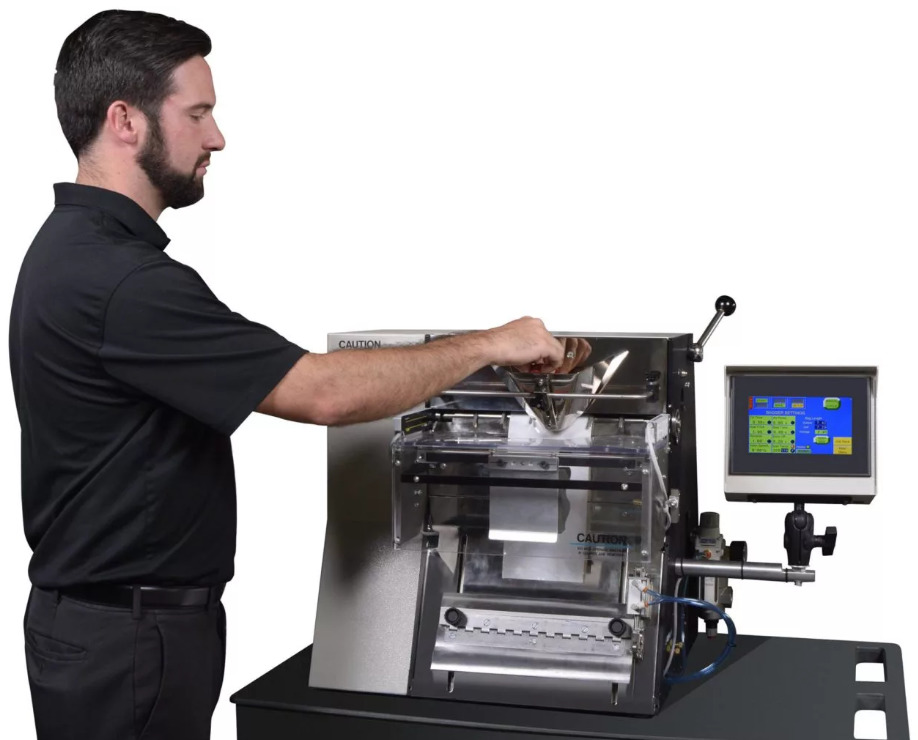
Illustrative Image (Source: Google Search)
4. Top 10 Sachet Packaging Companies – Fortune Business Insights
Domain: fortunebusinessinsights.com
Registered: 2018 (7 years)
Introduction: Fortune Business Insights™ Presents Leading Sachet Packaging Companies, 2024 · 1. Amcor · 2. Mondi Group · 3. Huhtamaki · 4. ProAmpac · 5. Constantia Flexible Group ……
5. Best Packaging Solution in USA | Package Machine Manufacturers
Domain: blackforestpkg.com
Registered: 2011 (14 years)
Introduction: Black Forest is a leading packaging machine manufacturer in the packaging industry and can help you to solve your food products packaging challenge….
6. Sachet Packing Machine
Domain: autocartoningmachines.com
Registered: 2021 (4 years)
Introduction: Buy good quality Sachet Packing Machine from Sachet Packing Machine manufacturer, We provide low priced Sachet Packing Machine from China….
Understanding sachet packaging machines Types and Variations
Understanding Sachet Packaging Machines: Types and Variations
Sachet packaging machines are essential for producing compact, sealed pouches for products like powders, liquids, and granules. Based on design and output, key types include single-lane vertical form fill seal (VFFS) machines, standard multi-lane VFFS machines, and high-output multi-lane VFFS machines. These variations support three-side or four-side seal sachets, with options for tear notches and custom patterns.
| Type | Features | Applications | Pros/Cons |
|---|---|---|---|
| Single-Lane VFFS Machines | Modular design; 1 lane; output up to 40 sachets/min; max web width 32″; max sachet size 8.5″ width x 11.5″ length; supports powders, liquids, granules. | Low-volume packaging in food, pharma, and cosmetics; suitable for startups or small runs. | Pros: Compact footprint, easy maintenance, cost-effective for entry-level operations. Cons: Lower throughput, not ideal for high-volume production. |
| Standard Multi-Lane VFFS Machines | 4-12 lanes; output 40-600 sachets/min; web widths up to 20″; max sachet size 5″ width x 12″ length; handles diverse products with reliable sealing. | Medium production runs in food (e.g., condiments), pharma (e.g., supplements), and consumer goods. | Pros: Balanced speed and efficiency, versatile for multiple product types, scalable for growing businesses. Cons: Higher initial cost than single-lane, requires more space and setup time. |
| High-Output Multi-Lane VFFS Machines | 12-20 lanes; output up to 1000 sachets/min; web widths up to 32″; max sachet size 8″ width x 12″ length; high-speed cycles (up to 50/min) with consistent seal quality. | High-volume bulk packaging in food processing, pharmaceuticals, and industrial sectors. | Pros: Maximizes productivity, small footprint relative to output, ideal for large-scale operations. Cons: Higher complexity and maintenance needs, significant upfront investment. |
Single-Lane VFFS Machines
These machines operate with one packaging lane, forming, filling, and sealing sachets in a vertical process. They are designed for flexibility, with models supporting sachet widths up to 8.5″ and lengths up to 11.5″. Key features include user-friendly interfaces for quick changeovers and minimal downtime. Ideal for businesses entering the market or handling variable product types, they offer outputs of up to 40 sachets per minute. In the USA and Europe, they comply with standards like FDA and EU food contact regulations, ensuring safe packaging for sensitive items.
Standard Multi-Lane VFFS Machines
Featuring 4-12 lanes, these machines enable parallel processing to boost efficiency for medium-scale operations. They support web widths up to 20″ and produce up to 600 sachets per minute, with robust construction for continuous runs. Applications often include packaging sauces, powders, or granules in multi-lane setups. Maintenance is straightforward, with modular components allowing easy upgrades. For B2B users in regulated markets, these machines integrate quality controls like seal integrity checks to meet GMP standards.
High-Output Multi-Lane VFFS Machines
Optimized for large-scale production, these machines use 12-20 lanes to achieve outputs up to 1000 sachets per minute at 50 cycles per minute. They maintain a compact design despite high capacity, with web widths up to 32″ and advanced sealing for consistent quality. Suited for bulk runs in competitive industries, they handle high-demand products efficiently. In USA and European contexts, they support automation integrations for traceability and compliance with directives like REACH for chemical safety.
Key Industrial Applications of sachet packaging machines
Key Industrial Applications of Sachet Packaging Machines
Sachet packaging machines provide efficient, high-speed solutions for portion-controlled packaging of powders, liquids, granules, and other products into three- or four-side seal sachets. Below is a summary of key industries and applications, highlighting specific benefits derived from features such as multi-lane configurations (1-20 lanes), output rates of 40-1000 sachets per minute, customizable sachet sizes, and options like tear notches.
| Industry/Application | Detailed Benefits |
|---|---|
| Food and Beverage (e.g., sauces, condiments, instant mixes, coffee/tea powders) | Enables precise portioning for single-serve convenience, reducing waste and enhancing shelf life through airtight seals. High-output multi-lane machines (up to 1000 sachets/min) support medium to large production runs, improving throughput and operational efficiency while maintaining seal integrity for product freshness. Compact machine footprints minimize space requirements in production facilities. |
| Pharmaceuticals (e.g., powders, gels, single-dose medications) | Ensures hygienic, tamper-evident packaging compliant with regulatory standards, with modular VFFS designs allowing easy integration into cleanroom environments. Variable lane options (1-20) facilitate scalable production from low to high volumes, reducing downtime via user-friendly maintenance and delivering consistent dosing accuracy to meet GMP requirements. |
| Cosmetics and Personal Care (e.g., lotions, creams, shampoo samples, masks) | Supports versatile packaging of viscous liquids and powders into slim, portable sachets with customizable features like tear notches for easy opening. High-speed operation (up to 50 cycles/min) boosts productivity for promotional or travel-sized products, while robust construction ensures reliable performance and minimal material waste in competitive markets. |
| Nutraceuticals and Supplements (e.g., protein powders, vitamins, energy gels) | Provides portion-controlled sachets that enhance consumer convenience and product stability, with options for multiple seal patterns to prevent leakage. Multi-lane setups enable efficient scaling for growing demand, offering outputs up to 1000 sachets/min to streamline supply chains and reduce packaging costs without compromising quality. |
| Chemicals and Household Products (e.g., detergents, cleaning powders, fertilizers) | Delivers durable, leak-proof sachets suitable for granular or powdered substances, with wide web widths (up to 32″) accommodating various sachet dimensions. Flexible machine designs support diverse production needs, enhancing efficiency through high-speed filling and sealing, which minimizes labor and material costs in industrial settings. |
In-depth Look: Manufacturing Processes and Quality Assurance for sachet packaging machines
In-depth Look: Manufacturing Processes and Quality Assurance for Sachet Packaging Machines
Sachet packaging machines, such as those from Unified Flex, are engineered for high-efficiency production of three- and four-side seal sachets for food, pharmaceuticals, and other industries. These machines support 1 to 20 lanes with outputs ranging from 40 to 1000 sachets per minute. Below, we outline the key manufacturing processes and quality assurance measures that ensure reliability, precision, and compliance for B2B applications in the USA and Europe.
Manufacturing Processes
The production of sachet packaging machines involves a structured workflow to achieve modular, flexible designs like the AP-140, AP-180, and Multilane Sachet Baggers (e.g., MSB 406mm, 508mm, 813mm). These vertical form fill seal (VFFS) systems are built for smooth operation, minimal maintenance, and compatibility with powders, liquids, and granules.
Illustrative Image (Source: Google Search)
Preparation
- Material Sourcing and Design Planning: High-grade stainless steel, alloys, and electronic components are sourced from certified suppliers to meet food-grade and pharmaceutical standards. CAD software is used to design modular frames, ensuring compatibility with web widths up to 32 inches (81.28 cm) and sachet dimensions (e.g., up to 8 inches wide and 12 inches long).
- Component Fabrication: Precision cutting and machining of parts, such as sealing jaws and filling nozzles, using CNC machines to maintain tolerances for multi-lane configurations (1-20 lanes).
Forming
- Frame and Structure Assembly: Base frames are welded or bolted to form the machine’s compact footprint, incorporating servo motors for cycles up to 50 per minute.
- Integration of Core Mechanisms: Forming tubes, film unwinders, and vertical sealing systems are installed to enable three- or four-side seals, with options for tear notches and custom patterns.
Assembly
- System Integration: Electrical and pneumatic systems are wired, including PLC controls for user-friendly interfaces. Multi-lane setups (e.g., 10-20 lanes in MSB models) are calibrated for outputs of 500-1000 sachets per minute.
- Testing and Calibration: Initial functional tests simulate production runs, adjusting for variables like sachet width (up to 8.5 inches) and length (up to 12 inches) to ensure seamless operation.
Quality Control (QC)
- In-Process Inspections: Dimensional checks and material integrity tests are conducted at each stage using tools like calipers and ultrasonic testers.
- Final Validation: Machines undergo stress testing for maximum cycles (e.g., 40-1000 sachets/min) and seal quality verification to prevent leaks or defects.
| Stage | Key Activities | Tools/Methods |
|---|---|---|
| Preparation | Sourcing, design, fabrication | CAD, CNC machining |
| Forming | Frame welding, mechanism integration | Welding rigs, precision alignment |
| Assembly | Wiring, calibration | PLC programming, simulation software |
| QC | Inspections, testing | Calipers, stress testers, seal integrity checks |
Quality Assurance Standards
Unified Flex sachet machines adhere to ISO 9001 for quality management systems, ensuring consistent manufacturing and product reliability. Additional compliance includes ISO 22000 for food safety (relevant for food and pharma applications) and CE marking for European market entry. These standards mandate traceability, risk assessments, and continuous improvement, minimizing downtime and supporting B2B scalability in regulated industries. For custom consultations, manufacturers provide audit-ready documentation to verify adherence.
Practical Sourcing Guide: A Step-by-Step Checklist for ‘sachet packaging machines’
Practical Sourcing Guide: A Step-by-Step Checklist for Sachet Packaging Machines
This checklist provides a structured approach to sourcing sachet packaging machines for B2B applications in food, pharmaceuticals, and related industries. Focus on vertical form fill seal (VFFS) systems that handle powders, liquids, granules, and more, with options for 3-side or 4-side seals, tear notches, and multi-lane configurations (1-20 lanes) producing 40-1000 sachets per minute.
Step 1: Assess Your Production Needs
- Identify product types (e.g., powders, liquids, granules) and required sachet formats (e.g., 3-side or 4-side seals).
- Determine output requirements: Target sachets per minute (e.g., 40 for single-lane, up to 1000 for 20-lane setups) and cycles per minute (up to 50).
- Specify sachet dimensions: Maximum width (e.g., 4.5-8 inches) and length (e.g., 7.5-12 inches), plus web width (up to 32 inches).
- Evaluate production scale: Low-volume (e.g., 40 sachets/min) vs. high-volume (e.g., 500-1000 sachets/min).
Step 2: Research Suppliers and Compliance
- Search for manufacturers specializing in VFFS sachet machines, such as Unified Flex, with proven models for USA and Europe markets.
- Verify regulatory compliance: Ensure machines meet FDA, EU food contact standards, or pharma-grade requirements (e.g., for clean-in-place designs).
- Check supplier credentials: Look for ISO certifications, customer references, and after-sales support in your region (USA/Europe).
- Review machine modularity: Prioritize flexible designs for easy maintenance and upgrades.
Step 3: Evaluate Machine Specifications
Use the following table to compare key specs based on common models:
| Machine Type | Lanes | Max Output (Sachets/Min) | Max Sachet Width | Max Sachet Length | Ideal For |
|---|---|---|---|---|---|
| Single-Lane (e.g., AP-140) | 1 | 40 | 4.5″ | 7.5″ | Low-volume, diverse products |
| Single-Lane (e.g., AP-180) | 1 | 40 | 8.5″ | 11.5″ | Medium sachets, robust builds |
| Multi-Lane (e.g., MSB 406mm) | Up to 10 | 500 | 4″ | 12″ | Low-medium runs, liquids/powders |
| Multi-Lane (e.g., MSB 508mm) | Up to 12 | 600 | 5″ | 12″ | Medium runs, high durability |
| Multi-Lane (e.g., MSB 813mm) | Up to 20 | 1000 | 8″ | Varies | High-output bulk packaging |
- Assess additional features: Tear notches, seal patterns, and compatibility with auto pouch baggers.
- Test for reliability: Request data on downtime, seal quality, and energy efficiency.
Step 4: Analyze Costs and ROI
- Request detailed quotes: Include machine price, installation, training, and spare parts.
- Calculate total cost of ownership: Factor in maintenance, energy use, and output efficiency (e.g., ROI from scaling to 1000 sachets/min).
- Compare financing options: Leasing vs. purchase, considering USA/Europe incentives for manufacturing equipment.
- Evaluate scalability: Ensure the machine supports future expansion (e.g., adding lanes).
Step 5: Conduct Due Diligence and Testing
- Request consultations or demos: Schedule virtual or on-site trials to verify performance with your products.
- Review warranties and support: Confirm service availability in USA/Europe, including remote diagnostics.
- Check integration: Ensure compatibility with existing lines (e.g., fillers, conveyors).
Step 6: Finalize and Procure
- Negotiate terms: Secure favorable pricing, delivery timelines (e.g., 8-12 weeks), and customization.
- Sign contracts: Include performance guarantees and return policies.
- Plan implementation: Arrange training and initial setup to minimize downtime.
Comprehensive Cost and Pricing Analysis for sachet packaging machines Sourcing
Comprehensive Cost and Pricing Analysis for Sachet Packaging Machines Sourcing
Sourcing sachet packaging machines involves evaluating upfront and ongoing costs to ensure ROI for B2B operations in the USA and Europe. This analysis breaks down key cost categories—materials, labor, and logistics—based on typical market ranges for models like single-lane VFFS machines (e.g., AP-140, AP-180) and multilane systems (e.g., MSB series with 1-20 lanes, outputting 40-1000 sachets/min). Pricing varies by supplier, customization, and region; consult vendors for quotes.
Cost Breakdown
Costs are influenced by machine complexity, production scale, and regional factors such as tariffs and currency fluctuations. Below is a categorized breakdown with estimated ranges (in USD for USA; convert to EUR at current rates for Europe). These are averages from industry benchmarks; actual figures depend on specifications like lane count, web width (up to 32″), and output speed.
| Category | Description | Estimated Cost Range (USD) | Key Factors |
|---|---|---|---|
| Materials | Includes core components like stainless steel frames, sealing mechanisms, film rollers, and dosing systems for powders, liquids, or granules. Custom options (e.g., tear notches, multi-lane setups) add costs. | $50,000–$150,000 for single-lane models; $200,000–$500,000+ for multilane (10-20 lanes). | Material quality (e.g., food/pharma-grade alloys for compliance with FDA/EU regulations); web width and sachet size (up to 8″ width, 12″ length); integration of fillers for diverse products. |
| Labor | Encompasses installation, training, and maintenance by technicians. Ongoing labor includes operators and periodic servicing to maintain 40-50 cycles/min efficiency. | $10,000–$30,000 initial (setup/training); $5,000–$15,000 annually (maintenance/operators for medium runs). | Skill level required for VFFS operation; regional wage differences (higher in Europe due to labor laws); downtime risks if not trained on modular designs like AP-series. |
| Logistics | Covers shipping, customs, and delivery from manufacturers (often in North America or Asia). Includes crating, insurance, and site preparation. | $5,000–$20,000 for USA domestic; $10,000–$40,000 for transatlantic to Europe (including duties). | Machine footprint (compact for multilane MSB models); import tariffs (e.g., EU’s 2-4% on machinery); supply chain disruptions affecting lead times (4-12 weeks). |
Total acquisition costs typically range from $65,000–$200,000 for entry-level machines to $215,000–$560,000+ for high-output systems, excluding taxes and financing.
Tips to Save Costs
- Bulk sourcing and negotiation: Partner with suppliers like Unified Flex for volume discounts on multilane machines; aim for 10-15% savings through long-term contracts.
- Modular designs: Opt for flexible VFFS models (e.g., AP-140/AP-180) that allow easy upgrades, reducing future material and labor expenses.
- Local suppliers: Source from USA/Europe-based manufacturers to minimize logistics fees and avoid import duties; consider refurbished units for 20-30% cost reduction.
- Energy-efficient options: Select machines with low cycles/min ratings for non-high-volume needs, cutting operational labor and utility costs by 10-20%.
- Financing and incentives: Leverage equipment loans or grants (e.g., EU’s Horizon Europe for pharma tech) to spread costs; perform ROI calculations based on output (up to 1000 sachets/min) to justify investments.
- Preventive maintenance: Implement regular servicing to avoid breakdowns, potentially saving 15-25% on long-term labor and repair fees.
Alternatives Analysis: Comparing sachet packaging machines With Other Solutions
Alternatives Analysis: Comparing Sachet Packaging Machines With Other Solutions
In the packaging industry, sachet machines offer compact, high-speed solutions for portion-controlled products. This section compares them with two common alternatives: stick pack machines and horizontal form-fill-seal (HFFS) machines. These are evaluated based on key factors such as output, package format, suitable applications, and operational efficiency.
Comparison Table
| Feature | Sachet Packaging Machines | Stick Pack Machines | Horizontal Form-Fill-Seal (HFFS) Machines |
|---|---|---|---|
| Package Format | Flat, three- or four-side seal sachets (e.g., 4.5″–8″ width, up to 12″ length) | Long, narrow tubes (typically 0.5″–2″ width, 3″–10″ length) | Pillow-style or gusseted pouches (variable sizes, often larger) |
| Output Speed | 40–1,000 sachets/min (1–20 lanes, up to 50 cycles/min) | 100–1,200 sticks/min (multi-lane configurations) | 50–300 pouches/min (depending on model and product) |
| Suitable Products | Powders, granules, liquids (e.g., food, pharma) | Powders, liquids, gels (e.g., single-serve condiments, supplements) | Solids, snacks, hardware (e.g., bakery, confectionery) |
| Footprint | Compact (e.g., max web width 32″) | Slim and vertical, space-efficient for high output | Larger horizontal layout, requires more floor space |
| Cost Efficiency | Moderate initial cost; high throughput reduces per-unit costs for medium-high volumes | Higher setup for precision dosing; cost-effective for slim formats | Lower for entry-level models; efficient for diverse shapes but higher maintenance |
| Applications | Portion control in food, pharma, cosmetics (e.g., samples, single doses) | Portable, slim packaging for on-the-go products | Versatile for retail-ready packs in food and non-food sectors |
| Key Advantages | Versatile lane options, easy maintenance, scalable from 1–20 lanes | Ideal for slim profiles, minimal material use | Handles irregular shapes, strong seals for heavier products |
| Key Limitations | Limited to flat formats; may require add-ons for tear notches | Less flexible for wider products; higher waste in setup | Slower for very high volumes; more complex changeovers |
Analysis
Sachet packaging machines excel in high-volume, compact packaging for powders, liquids, and granules, making them ideal for B2B applications in food and pharmaceutical sectors where portion control and efficiency are critical. With outputs up to 1,000 sachets per minute across 20 lanes, they outperform alternatives in scalability for medium to large production runs while maintaining a small footprint. However, they are best suited for flat, sealable formats and may not accommodate bulkier or irregularly shaped items.
Illustrative Image (Source: Google Search)
Stick pack machines serve as a close alternative, offering similar vertical form-fill-seal (VFFS) technology but with a narrower, elongated format that minimizes material use and enhances portability. They are preferable for products like energy gels or single-serve powders, providing higher speeds in slim configurations, but they lack the width versatility of sachets, potentially increasing costs for broader applications.
HFFS machines provide greater flexibility for diverse pouch styles and product types, such as snacks or hardware, with robust sealing for heavier fills. They are a strong choice for operations needing horizontal processing and retail appeal, but their larger footprint and lower maximum speeds make them less efficient for ultra-high-volume sachet-style runs compared to dedicated sachet systems.
When selecting, consider production volume, product type, and space constraints: opt for sachet machines for optimized efficiency in compact dosing; choose stick packs for minimalistic, portable formats; or HFFS for versatile, shape-adaptive packaging. For USA and Europe-based businesses, compliance with FDA or EU regulations (e.g., food contact materials) should guide material and machine choices.
Essential Technical Properties and Trade Terminology for sachet packaging machines
Essential Technical Properties and Trade Terminology for Sachet Packaging Machines
This section outlines key technical specifications for sachet packaging machines, drawn from industry standards, and defines essential trade terms relevant to B2B procurement in the USA and Europe.
Illustrative Image (Source: Google Search)
Key Technical Properties
Sachet packaging machines, typically vertical form fill seal (VFFS) systems, are designed for producing three-side or four-side seal sachets. They handle products like powders, liquids, and granules, with options for tear notches and custom seal patterns. Below are essential properties based on common models (e.g., AP-140, AP-180, MSB series):
| Property | Description | Typical Range |
|---|---|---|
| Number of Packaging Lanes | Determines parallel production lines for higher throughput. | 1–20 lanes |
| Output Rate | Measures production speed, critical for efficiency in food, pharma, and other sectors. | 40–1,000 sachets per minute |
| Maximum Web Width | Refers to the width of the film roll used for forming sachets. | Up to 32″ (81.28 cm) |
| Cycles per Minute | Indicates the machine’s operational speed per cycle, affecting overall output. | Up to 50 cycles per minute |
| Sachet Dimensions | Defines the size of individual sachets; varies by model for flexibility. | Width: 4.5″–8″ (11.43–20.32 cm) Length: 7.5″–12″ (19.05–30.48 cm) |
| Seal Types | Specifies sachet closure method for product integrity and user convenience. | Three-side seal or four-side seal |
These properties ensure machines meet production needs, with modular designs offering easy maintenance and scalability for low- to high-volume runs.
Trade Terminology
Understanding these terms is vital for negotiating contracts, sourcing, and compliance in B2B transactions:
- MOQ (Minimum Order Quantity): The smallest quantity of machines or parts a supplier will produce or sell in one order, often to optimize manufacturing costs. Typical for sachet machines: 1–5 units, depending on customization.
- OEM (Original Equipment Manufacturer): A company that designs and produces machines under its own brand, such as Unified Flex, allowing buyers to purchase directly without intermediaries.
- VFFS (Vertical Form Fill Seal): A packaging process where film is formed into sachets, filled with product, and sealed vertically; standard for sachet machines to ensure hygienic, efficient operation.
- Throughput: The total output capacity, expressed in sachets per minute, used to evaluate machine performance against production targets.
- Footprint: The physical space required for the machine; compact designs (e.g., MSB series) are ideal for space-constrained facilities.
- Lead Time: The duration from order placement to delivery, typically 8–12 weeks for custom sachet machines, influenced by factors like lane configuration and regulatory certifications (e.g., FDA or CE compliance for USA/Europe markets).
- Customization Options: Modifications such as multi-lane setups or product-specific feeders; often quoted separately in B2B proposals.
For tailored consultations, consider factors like regulatory standards (e.g., GMP for pharma) when evaluating suppliers.
Illustrative Image (Source: Google Search)
Navigating Market Dynamics and Sourcing Trends in the sachet packaging machines Sector
Navigating Market Dynamics and Sourcing Trends in the Sachet Packaging Machines Sector
This section explores the evolution, current trends, and strategic considerations for sourcing sachet packaging machines, with a focus on market dynamics, sustainability, and historical context. Informed by industry developments, it provides actionable insights for B2B decision-makers in the USA and Europe targeting food, pharmaceutical, and related sectors.
History of Sachet Packaging Machines
Sachet packaging originated in the early 20th century, evolving from manual pouch-filling methods to automated systems post-World War II. Key milestones include:
- 1950s-1960s: Introduction of vertical form fill seal (VFFS) technology for efficient, small-format packaging, driven by demand for single-serve products in food and consumer goods.
- 1970s-1980s: Advancements in multi-lane machines, enabling higher outputs (e.g., up to 500 sachets per minute) for powders, liquids, and granules, coinciding with pharmaceutical growth.
- 1990s-Present: Integration of digital controls, modular designs, and customization options like tear notches, with machines now supporting 1-20 lanes and outputs from 40 to 1,000 sachets per minute. This progression reflects a shift toward compact, convenient packaging solutions, as seen in models like Unified Flex’s AP-140 and MSB 813mm, which prioritize flexibility and productivity.
Current Market Dynamics
The global sachet packaging machines market is projected to grow at a CAGR of 5-7% through 2030, fueled by rising demand for portion-controlled packaging in food (e.g., condiments, snacks) and pharmaceuticals (e.g., single-dose medications). Key dynamics include:
- Demand Drivers: Increased adoption in emerging markets for affordable, portable products; in the USA and Europe, focus on e-commerce and on-the-go consumption boosts need for high-speed VFFS machines.
- Technological Shifts: Emphasis on modular, user-friendly designs with minimal maintenance, such as those offering 40-1,000 sachets per minute across 1-20 lanes.
- Challenges: Supply chain disruptions and raw material costs; however, compact footprints (e.g., maximum web widths of 32 inches) enable scalable operations.
| Market Segment | Growth Factors | Relevant Machine Examples |
|---|---|---|
| Food | Single-serve trends, sustainability | AP-180 Sachet (up to 8.5″ width, 40 sachets/min) |
| Pharmaceuticals | Precision dosing, regulatory compliance | MSB 508mm Multilane (up to 600 sachets/min, 12 lanes) |
| Other (e.g., Cosmetics) | Customization for granules/liquids | MSB 813mm (up to 1,000 sachets/min, 20 lanes) |
Sustainability Trends
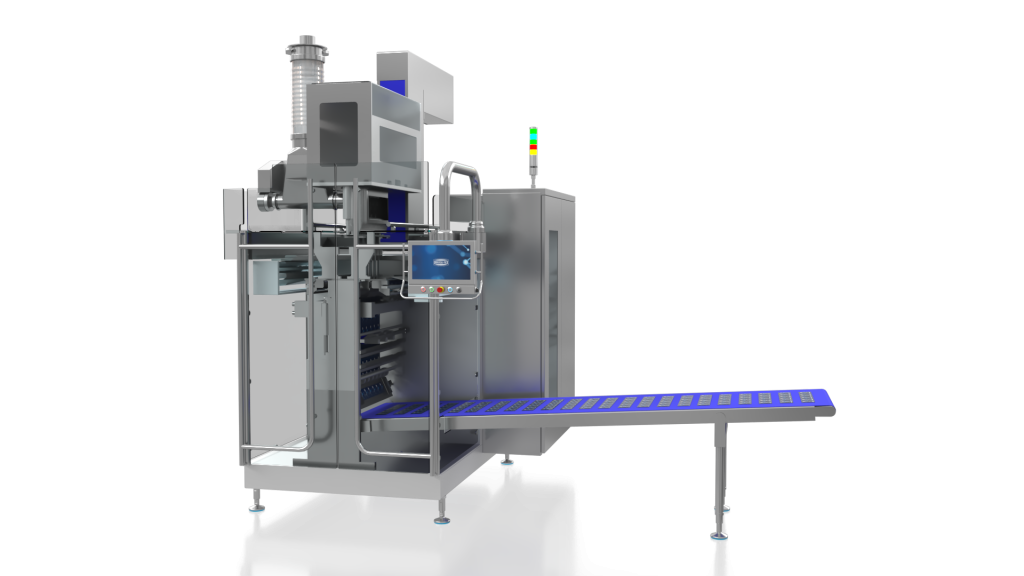
Sustainability is a core driver, with 70% of USA and European manufacturers prioritizing eco-friendly practices. Sachet machines are adapting to support recyclable materials and waste reduction:
Illustrative Image (Source: Google Search)
- Material Innovations: Shift to biodegradable films and mono-materials for three- and four-side seal sachets, reducing environmental impact.
- Efficiency Gains: High-output models (e.g., up to 50 cycles per minute) minimize energy use and material waste, aligning with EU Green Deal and US EPA standards.
- Strategic Navigation: Invest in machines with easy film changeovers to accommodate sustainable substrates, potentially lowering carbon footprints by 20-30%.
Sourcing Trends and Considerations
Sourcing in the USA and Europe favors North American and EU suppliers for compliance and logistics efficiency. Trends include:
- Supplier Preferences: Focus on OEMs like Unified Flex for customizable VFFS solutions; prioritize vendors offering free consultations and quick quotes.
- Key Factors:
- Output and Scalability: Select based on production needs (e.g., 40-1,000 sachets/min).
- Regulatory Compliance: Ensure machines meet FDA (USA) and CE (Europe) standards for food/pharma applications.
- Cost and ROI: Modular designs reduce downtime; aim for models with maximum sachet dimensions (e.g., 8″ width, 12″ length) for versatility.
- Emerging Trends: Rise in digital sourcing platforms and AI-driven customization; post-pandemic emphasis on local suppliers to mitigate delays.
By understanding these dynamics, businesses can strategically source sachet packaging machines to enhance productivity while addressing sustainability and market demands.
Frequently Asked Questions (FAQs) for B2B Buyers of sachet packaging machines
Frequently Asked Questions (FAQs) for B2B Buyers of Sachet Packaging Machines
1. What types of products can sachet packaging machines handle?
Sachet packaging machines are designed for granular products, liquids, powders, and more. They support three-side and four-side seal sachets, making them suitable for applications in food, pharmaceuticals, and other industries requiring compact, convenient packaging.
2. What are the key differences between single-lane and multi-lane sachet machines?
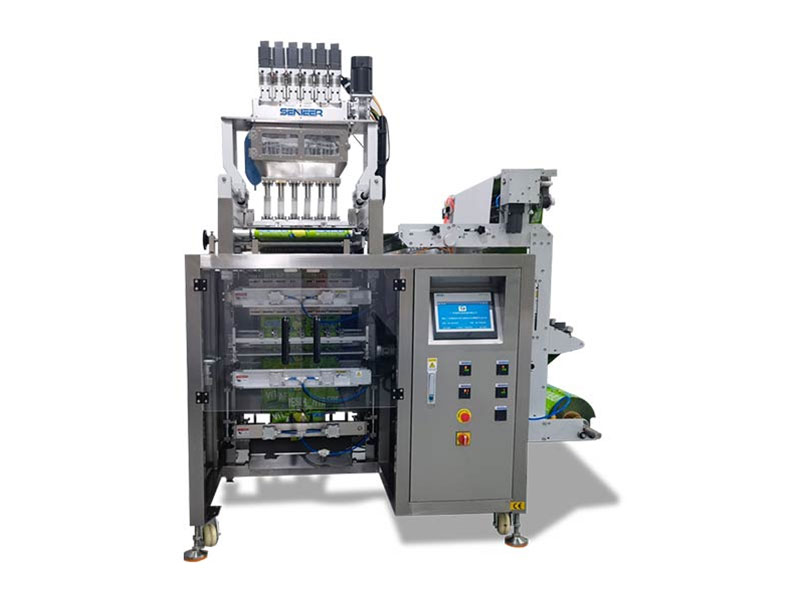
Single-lane models, such as the AP-140 and AP-180, offer outputs up to 40 sachets per minute with maximum widths of 4.5″ and 8.5″, respectively, ideal for low-volume production. Multi-lane models, like the MSB series (406mm to 813mm), provide 1-20 lanes and outputs from 500 to 1000 sachets per minute, suited for medium to high-volume runs with enhanced efficiency.
Illustrative Image (Source: Google Search)
3. What output capacities do these sachet machines offer?
Outputs range from 40 to 1000 sachets per minute, depending on the model and configuration. Single-lane machines max at 40 sachets per minute, while multi-lane options can reach 500 (MSB 406mm, 10 lanes), 600 (MSB 508mm, 12 lanes), or 1000 (MSB 813mm, 20 lanes) at up to 50 cycles per minute.
4. Can sachet machines be customized for specific sizes or features?
Yes, machines support various sachet sizes with maximum widths up to 8″ and lengths up to 12″. Customization options include tear notches, seal patterns, and web widths up to 32″ (81.28 cm). Modular designs, such as vertical form fill seal (VFFS), allow flexibility for diverse product needs.
5. Which industries benefit most from sachet packaging machines?
These machines are ideal for food, pharmaceuticals, and related sectors packaging powders, granules, or liquids. Their compact design and high output support efficient production in industries requiring slim, portable sachets, such as nutraceuticals, cosmetics, and consumer goods.
6. How do I select the right sachet machine model for my production volume?
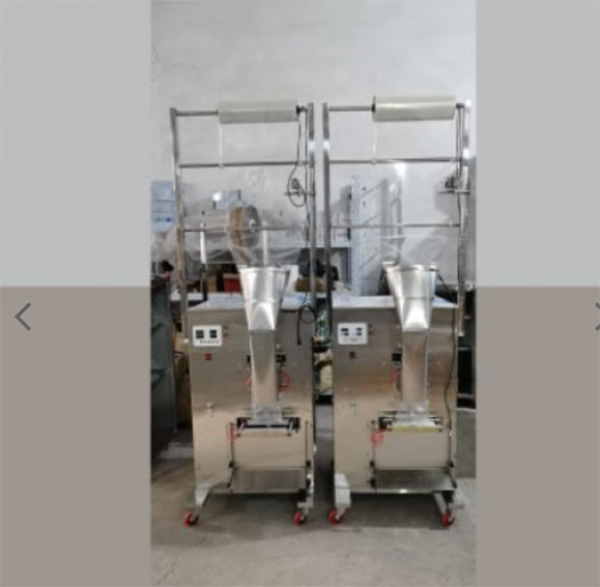
Assess your required output and lane count: Choose single-lane models (e.g., AP-140 or AP-180) for low-volume needs up to 40 sachets per minute. For medium to high volumes, opt for multi-lane MSB models (e.g., 406mm for up to 500 sachets/min or 813mm for up to 1000). Consider factors like sachet dimensions and product type for optimal fit.
Illustrative Image (Source: Google Search)
7. What maintenance and operational features do these machines include?
Machines feature user-friendly, modular designs for smooth operation and minimal maintenance. Built with precision and robust construction, they require standard upkeep such as regular cleaning and seal checks. Easy-to-use interfaces streamline efficiency, with options for quick consultations to address specific maintenance protocols.
8. What post-purchase support is available for sachet packaging machines?
Unified Flex offers free consultations for setup and optimization. Support includes guidance on integration, training, and troubleshooting. For detailed specs or quotes, buyers can request product information or watch demo videos to ensure seamless implementation in USA or European operations.
Important Disclaimer & Terms of Use
⚠️ Important Disclaimer
The information provided is for informational purposes only. B2B buyers must conduct their own due diligence.